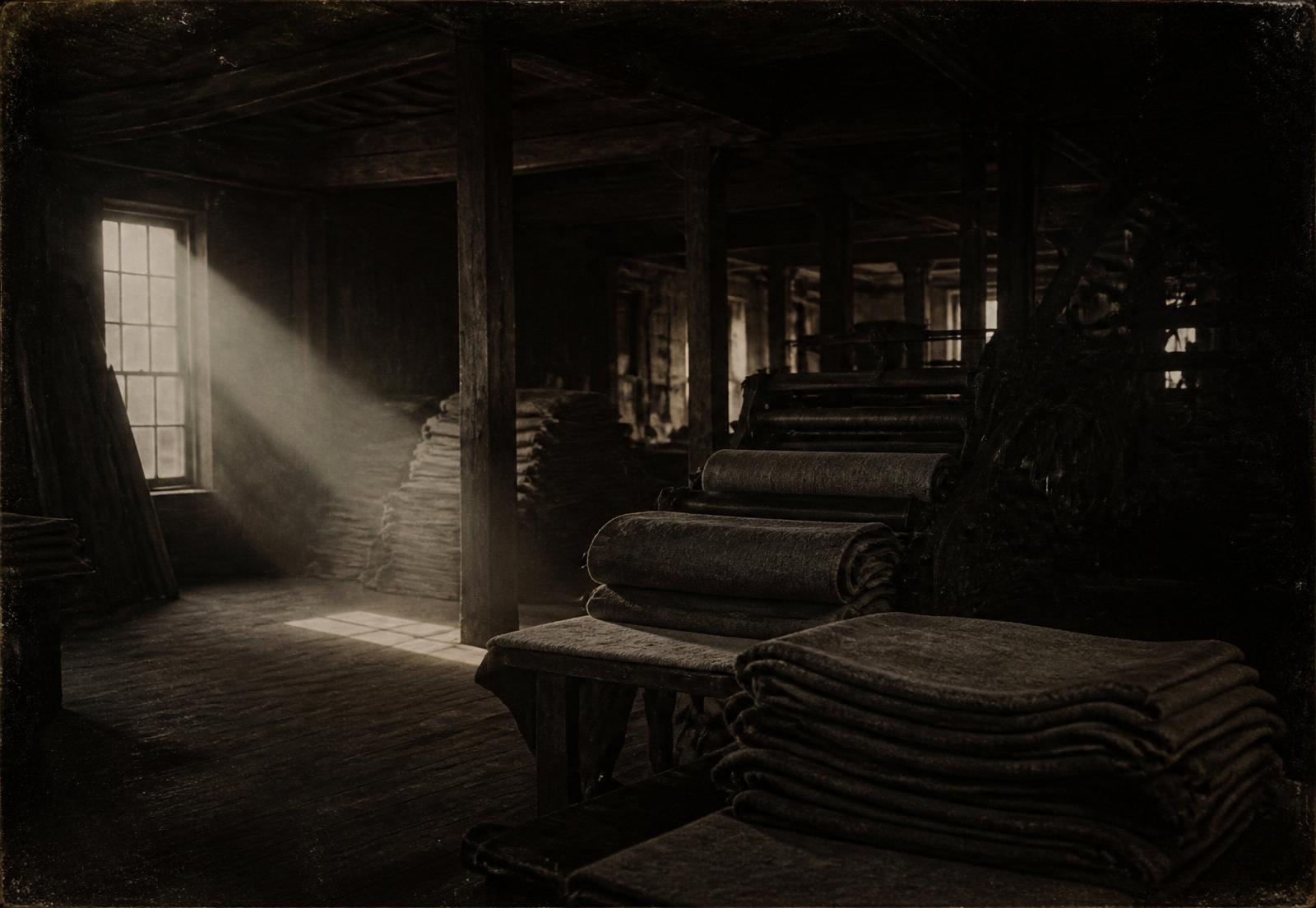

The Goodall Story
Thomas Goodall
1857
The year an observation became an idea.
Troy · New Hampshire
01
Before the Blanket
Dewsbury → America → Troy
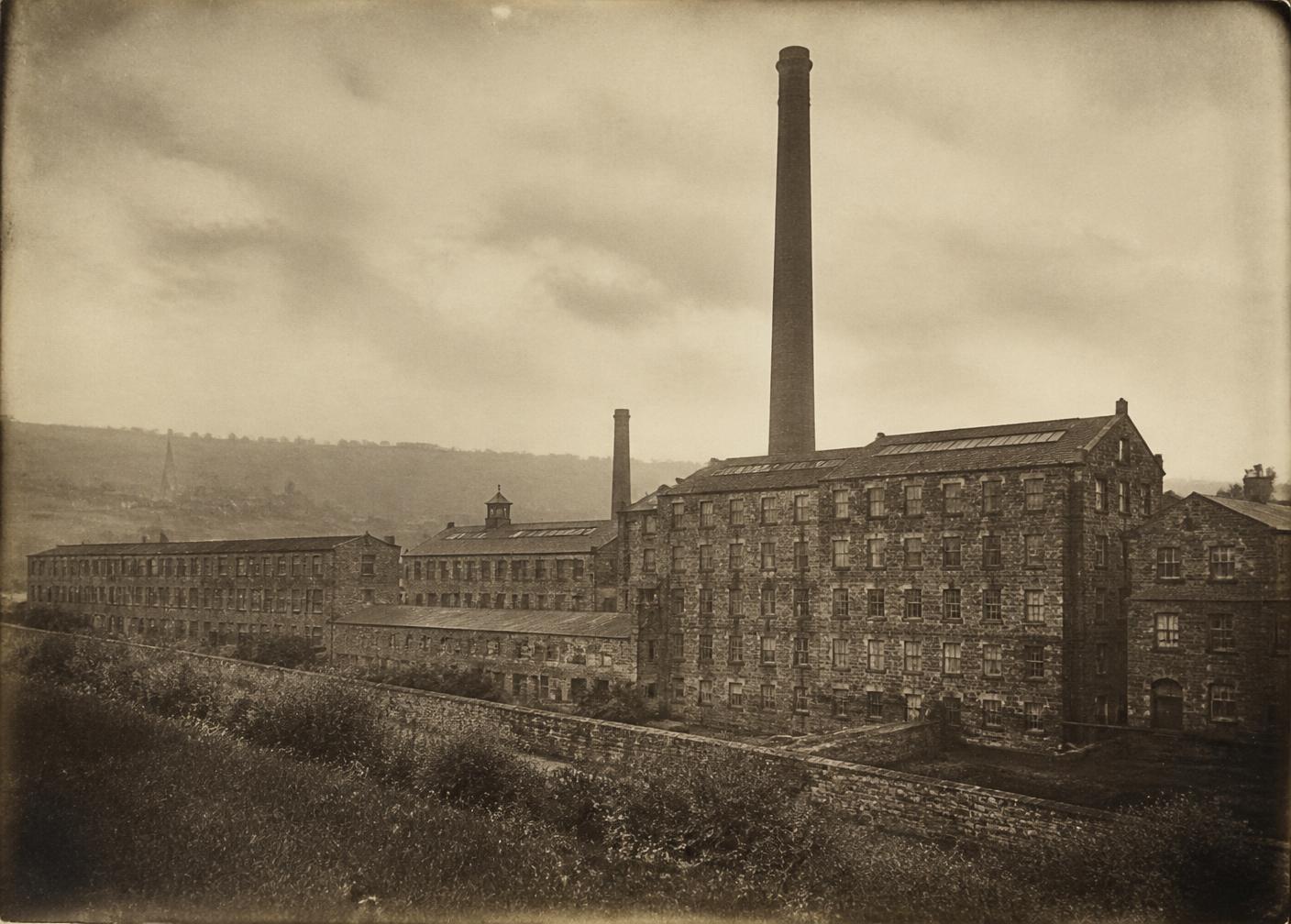
Before 1857, there was Yorkshire.
Thomas Goodall came from Dewsbury, in the heart of Yorkshire's woollen country. Orphaned while young, he entered the woollen trade as a boy and learned manufacturing from the mill floor upward.
In 1846 he crossed the Atlantic for America. His journey eventually brought him to Troy, New Hampshire, where he became involved in woollen manufacture.
This was not yet a story about fashion. It was a story about cloth.
- Wool
- Weight
- Weave
- Purpose
- Dewsbury
- Atlantic
- New England
- Troy
02
1857
An Observation
In Troy, New Hampshire, Thomas Goodall encountered an ordinary problem.
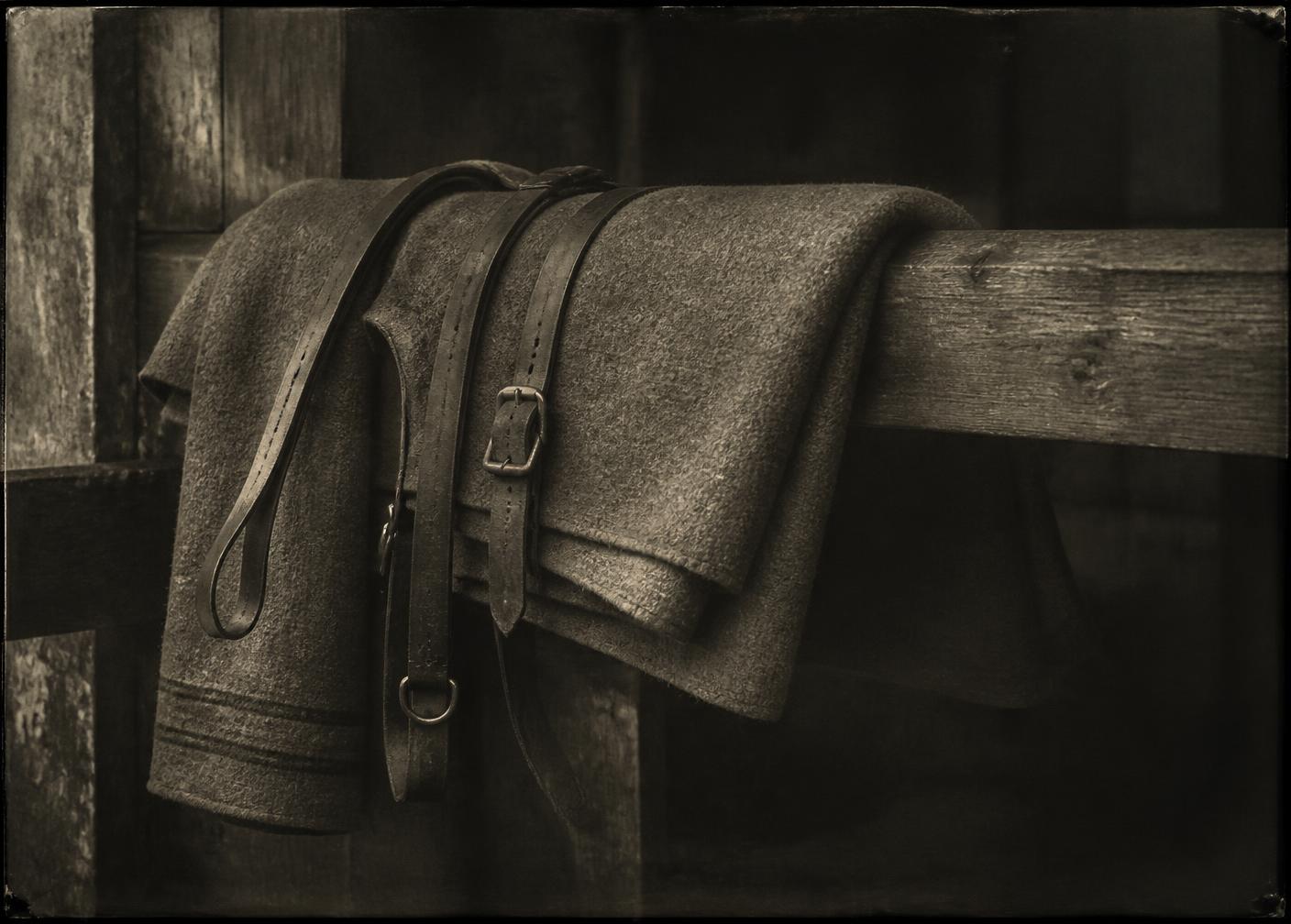
Historical accounts describe him observing the difficulty of keeping a conventional blanket properly secured upon a horse.
Goodall looked at the problem differently. The answer was not simply another blanket. The cloth itself needed to fit.
He developed a blanket cut to conform more closely to the horse and secured through its construction. A practical observation had become an idea.
He did not decorate the blanket.
He changed its fit.
03
The New Hampshire Blanket
The fitted horse blanket became the foundation of Goodall's early American manufacturing story.
Its importance lay in something deceptively simple: form following purpose.
The material was cut around the requirement rather than forcing the requirement to accommodate the material.
Fit was function.
04
1861–1865
The American Civil War
Within only a few years, the scale and purpose of Goodall's manufacturing had changed.
During the American Civil War, Goodall's operation supplied horse blankets for Union forces.
The product conceived around fit and utility had become material required under considerably harsher conditions.
- Cloth
- Utility
- Durability
05
1867
Sanford · Maine
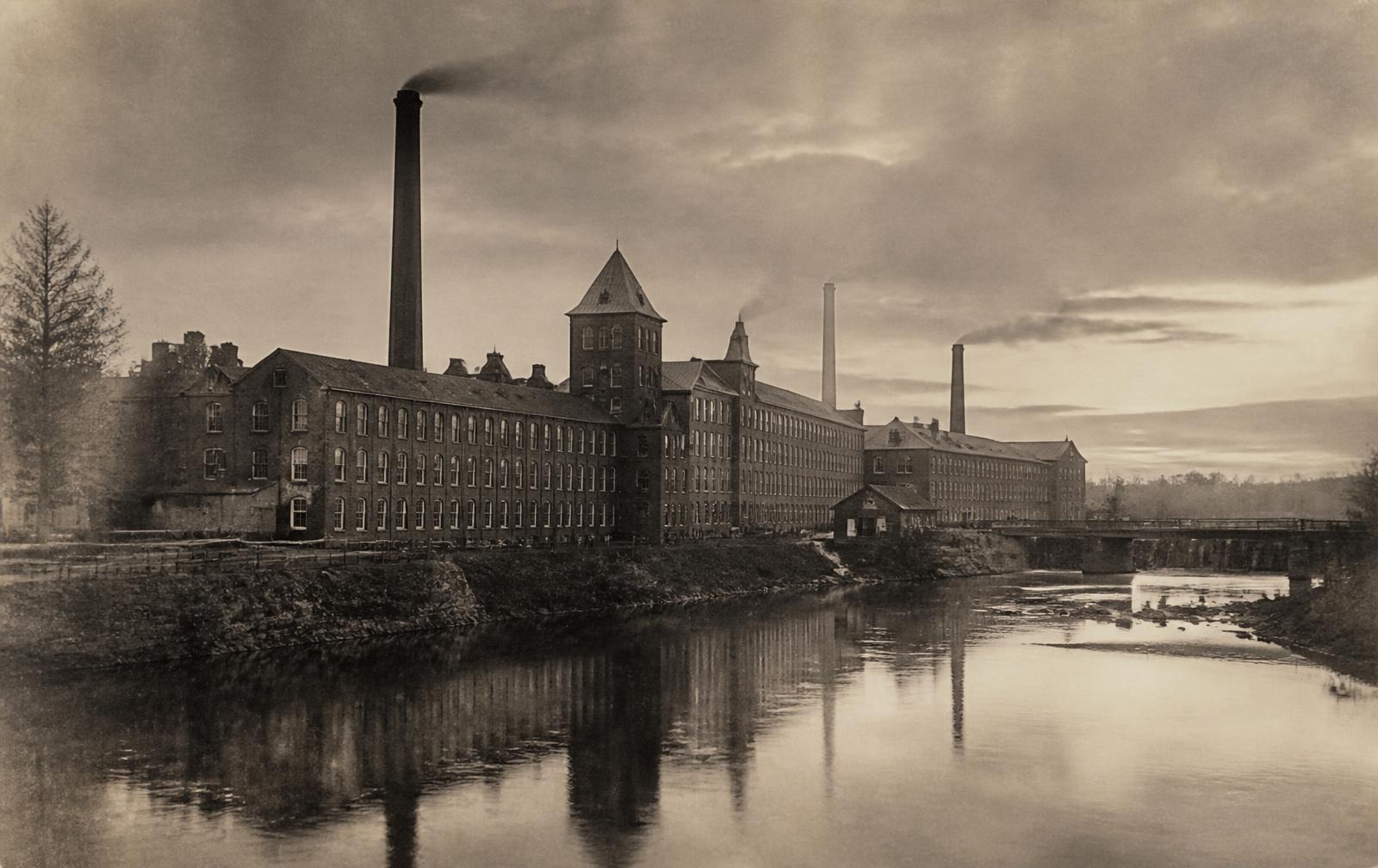
After leaving Troy and spending a period back in England, Thomas Goodall returned to America.
In 1867, the next major chapter began at Sanford, Maine. There, beside the Mousam River, Goodall developed the manufacturing enterprise that would transform the scale of the family textile story.
What had begun with practical woollen manufacture expanded into an increasingly sophisticated textile operation.
06
The Mill
The Goodall manufacturing interests expanded beyond horse blankets.
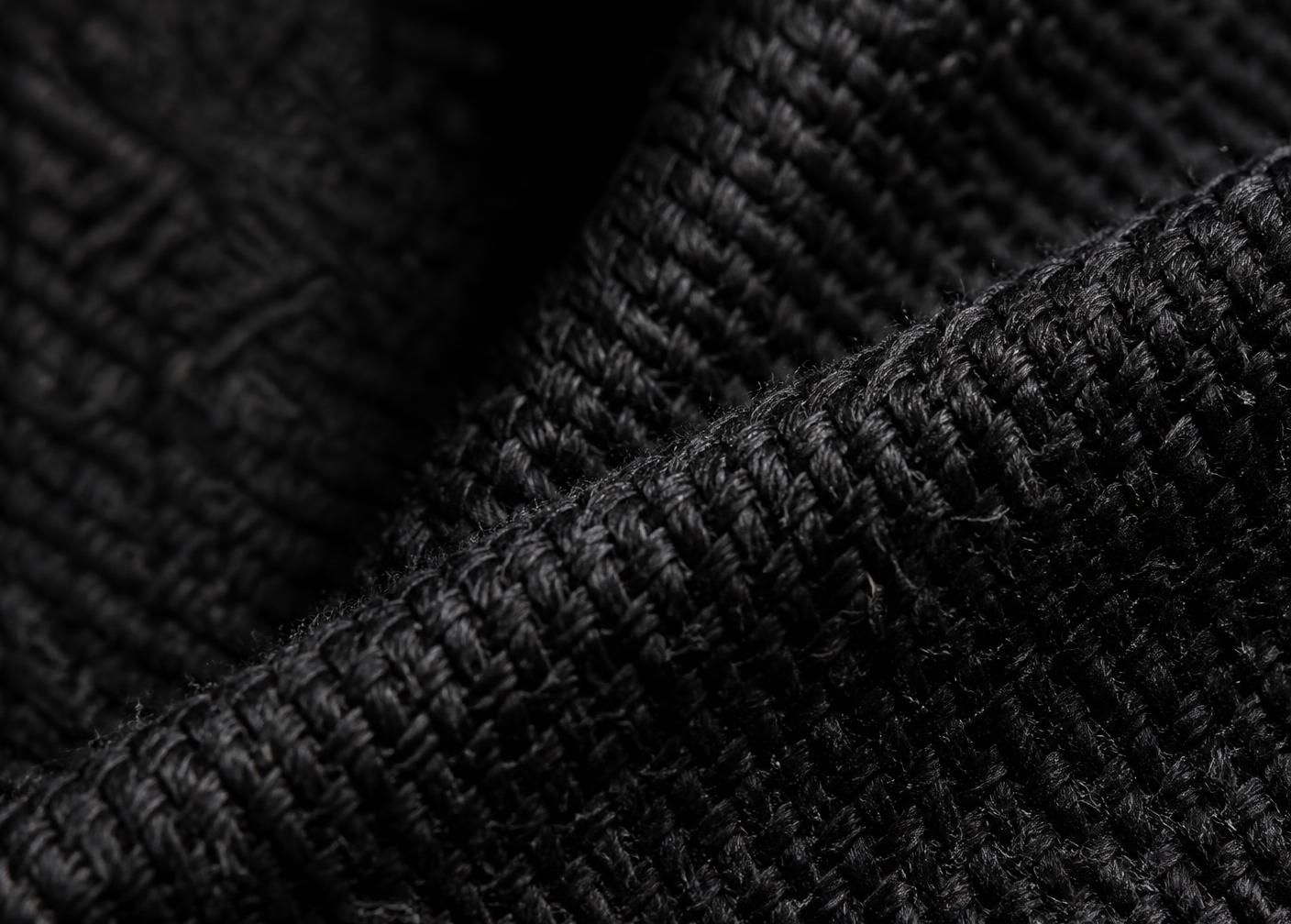
The Sanford operations became associated with carriage robes, woollen goods, plush and mohair textiles.
Over time, the Goodall name became connected not simply with a single product, but with an increasingly sophisticated understanding of textile manufacture.
- Wool
- Mohair
- Plush
- Carriage robes
- Textiles
07
Mohair
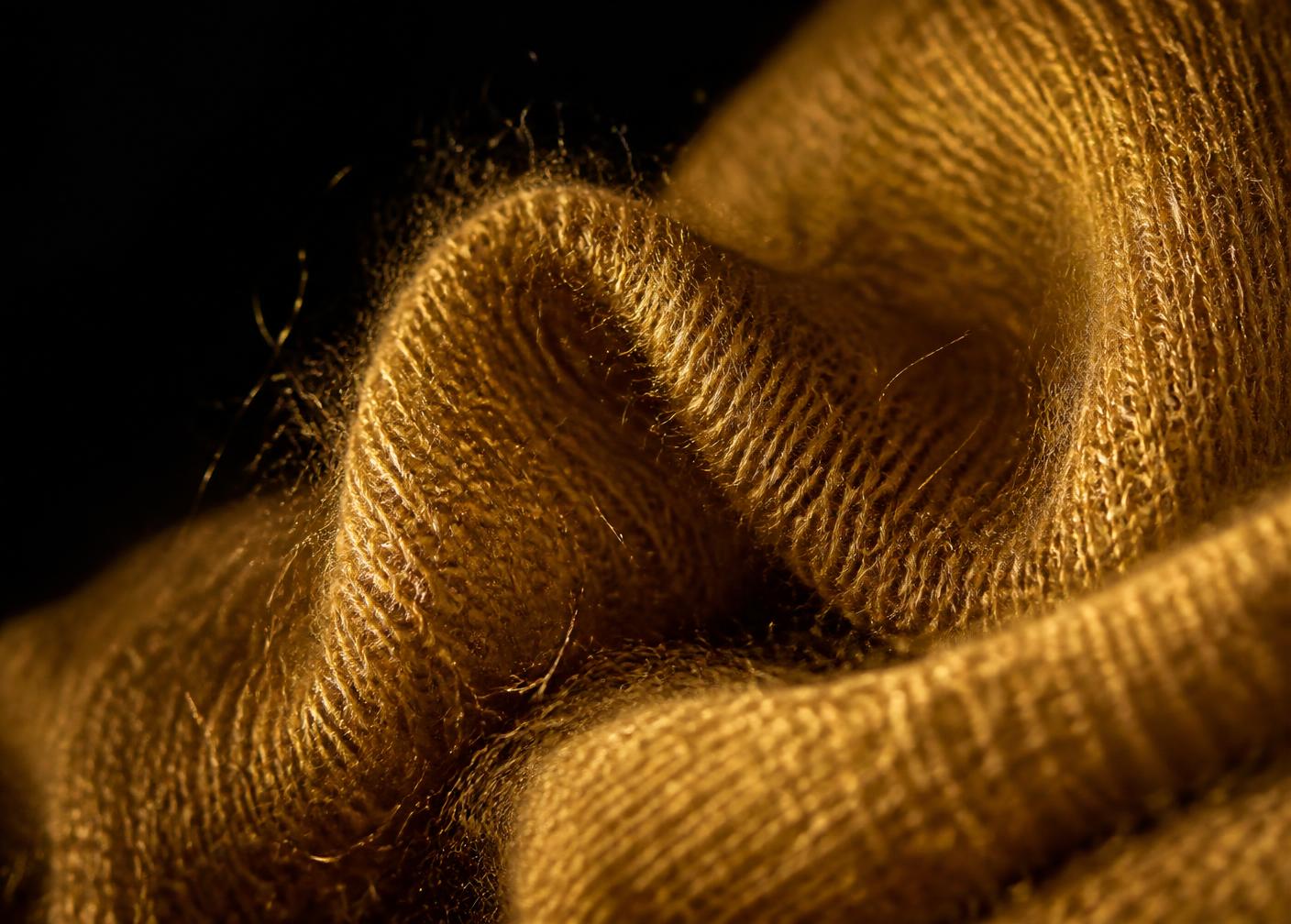
Mohair became an important part of the later Goodall textile story.
Its combination of resilience, handle and appearance helped move the Goodall manufacturing world from purely utilitarian textiles toward materials associated increasingly with interiors, travel and clothing.
- Fibre
- Handle
- Weight
- Purpose
08
From Maine to Palm Beach
Palm Beach Cloth
The Goodall textile story continued beyond Thomas Goodall himself.
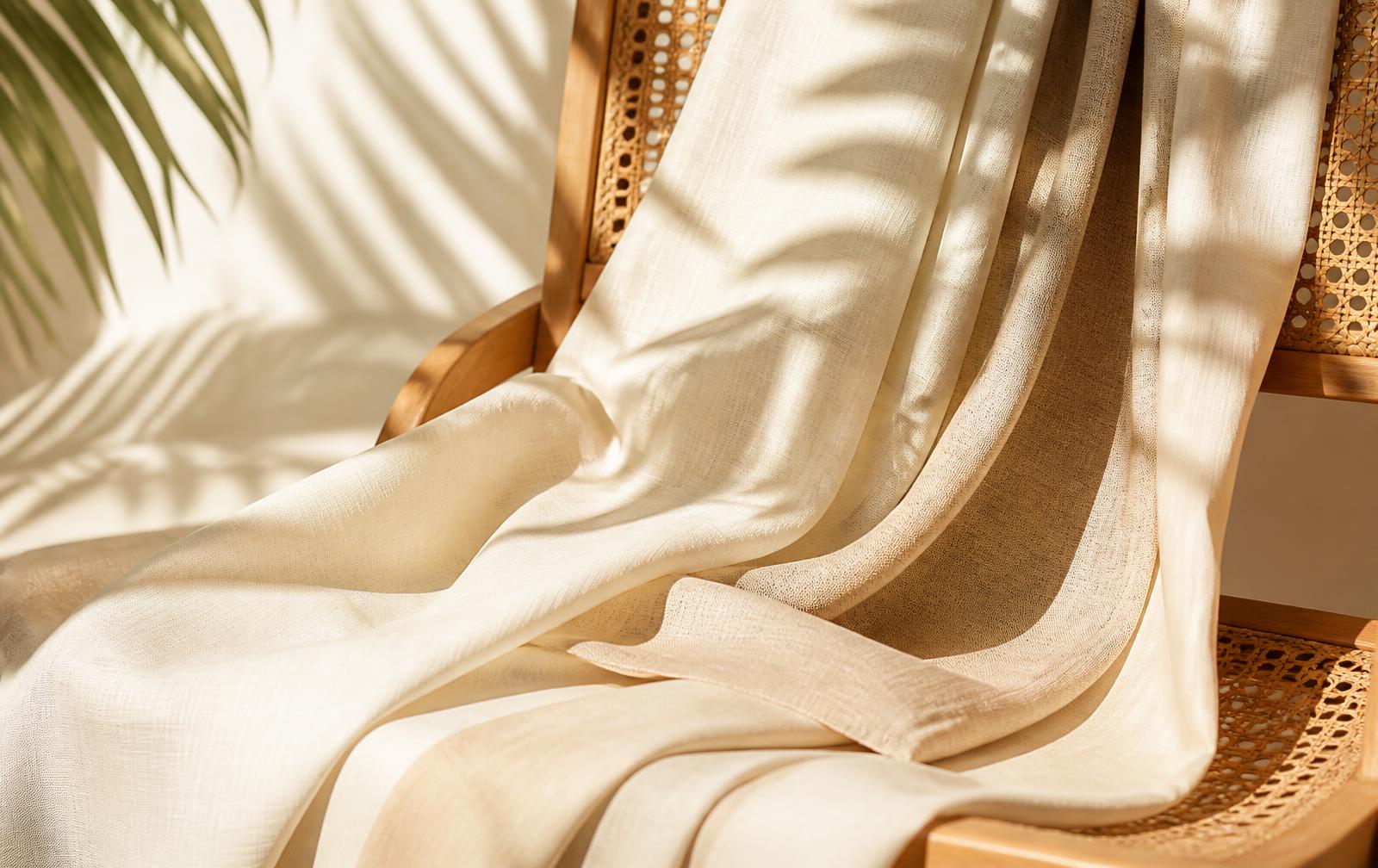
In the early twentieth century, Goodall Worsted became associated with Palm Beach cloth — a lightweight tropical fabric that would become one of the most recognisable chapters in the later Goodall textile history.
09
What Remains
Thomas Goodall's story did not begin with luxury. It began with material.
With observation. With understanding what something needed to do before deciding how it should be made.
Observe.
Understand.
Cut.
Fit.
Make it properly.
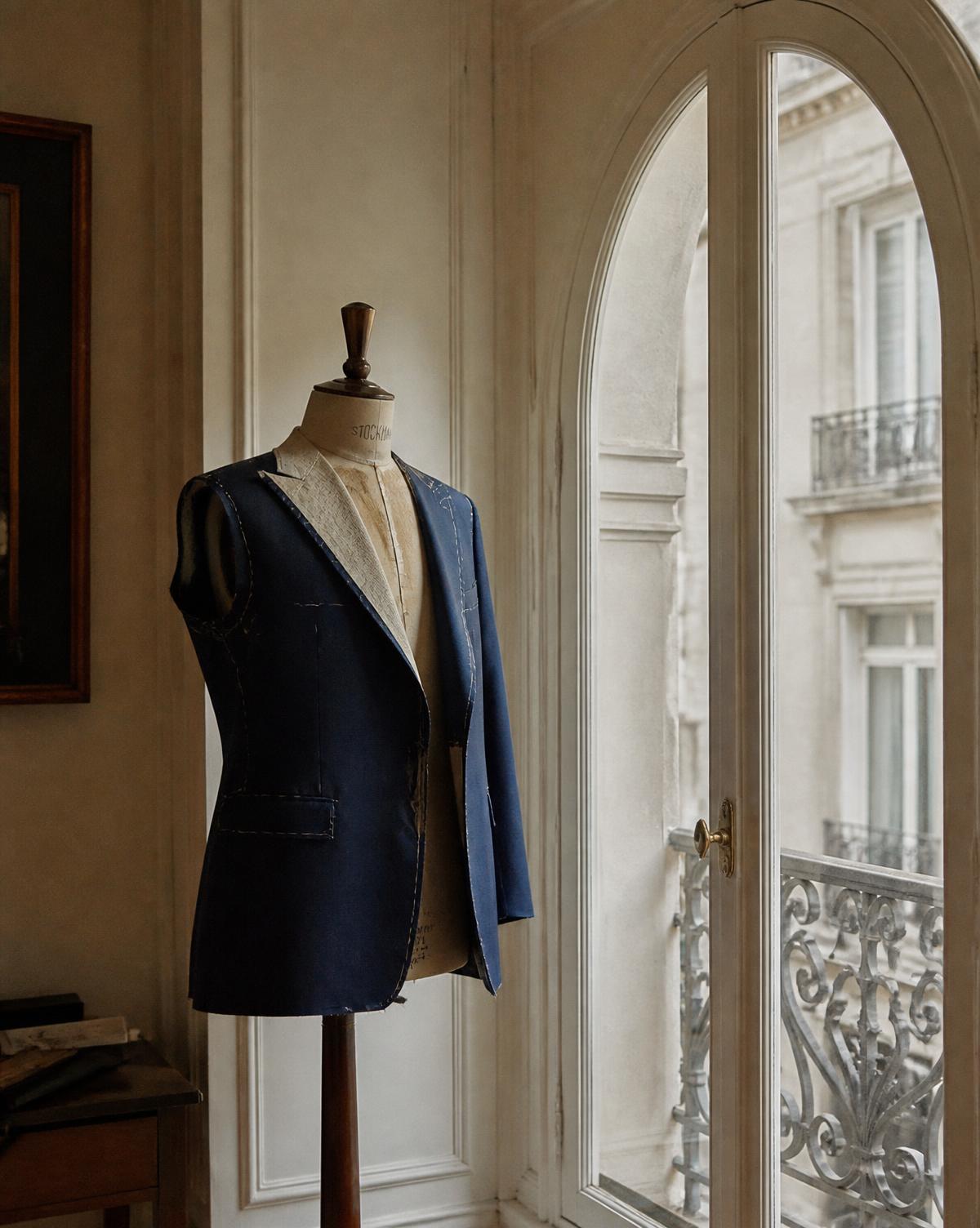
A principle first expressed through cloth in 1857 remains remarkably relevant to tailoring today.
10
1857
The Cloth & The Map
The Cloth
Troy · New HampshireThomas Goodall
The fitted horse blanket.
Observation.
Material.
Fit.
The Map
War Office · LondonTopographical & Statistical history
Mapping.
Information.
Understanding.
1857 also carries another historical meaning within the world explored by Goodall & Hall.
In Britain, the military mapping and intelligence apparatus that had developed around the Crimean War was being reorganised within the War Office.
The two histories were entirely independent. Thomas Goodall had no known connection to the War Office Topographical & Statistical organisation.
They were two different histories.
One year.
Both, however, speak to something that interests this House: the discipline of observation.
One understood the world through cloth.
The other through maps and information.
11
The Name Today
A name can carry a story without pretending that time stood still.
Goodall & Hall does not claim to be the nineteenth-century Goodall manufacturing company. Nor should the history be rewritten to manufacture an uninterrupted corporate lineage.
Instead, the House looks back to a family-name story built around cloth, usefulness, observation and making.
Every house has a beginning.
Ours begins with the name Goodall.
Goodall & Hall
Tallinn
12
From 1857 to The Measure
- Observe
- Measure
- Cut
- Fit
- Finish
Five stages.
One idea.
Understand before you make.